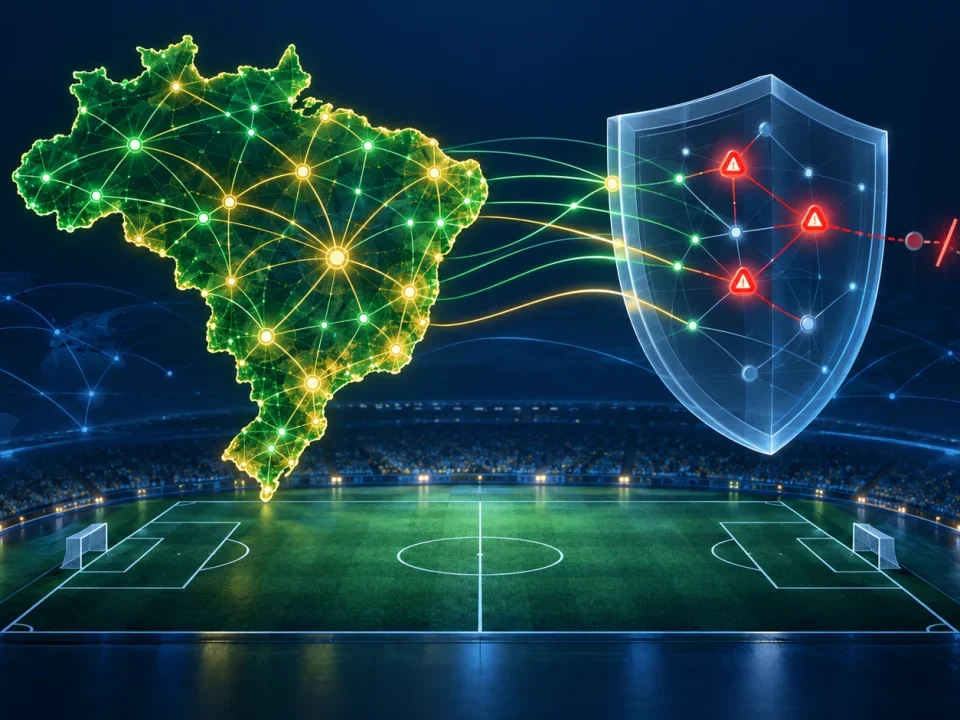
A new report from the International Betting Integrity Association argues that Brazil's betting ban could make suspicious activity harder to detect by shifting wagers away from licensed operators. The warning appears in IBIA's third-quarter integrity report, published after the September prohibition took effect.
IBIA says licensed operators had been required to monitor unusual betting, report concerns and participate in independent integrity systems. Its position is that prohibition removes much of that regulated information flow even if consumer demand continues. That is the association's policy assessment, not a measured post-ban outcome.
The report records 67 suspicious-betting alerts across eight sports worldwide during the third quarter. Two football alerts concerned events in Brazil, while Europe accounted for the largest regional share of the global total.
IBIA's Brazil analysis also compares 25 alerts involving Brazilian sports in 2025 with an annual average of 11 from 2021 through 2024. The association explicitly cautions that an alert is not proof of match manipulation. It says the increase is consistent with more activity being detected and reported in the regulated market.
The group is asking Congress to reconsider the ban through the ordinary legislative process and retain reporting and monitoring obligations. Its recommendation is to target unlicensed operators while keeping channels through which regulators, sports bodies and law enforcement can receive betting intelligence.