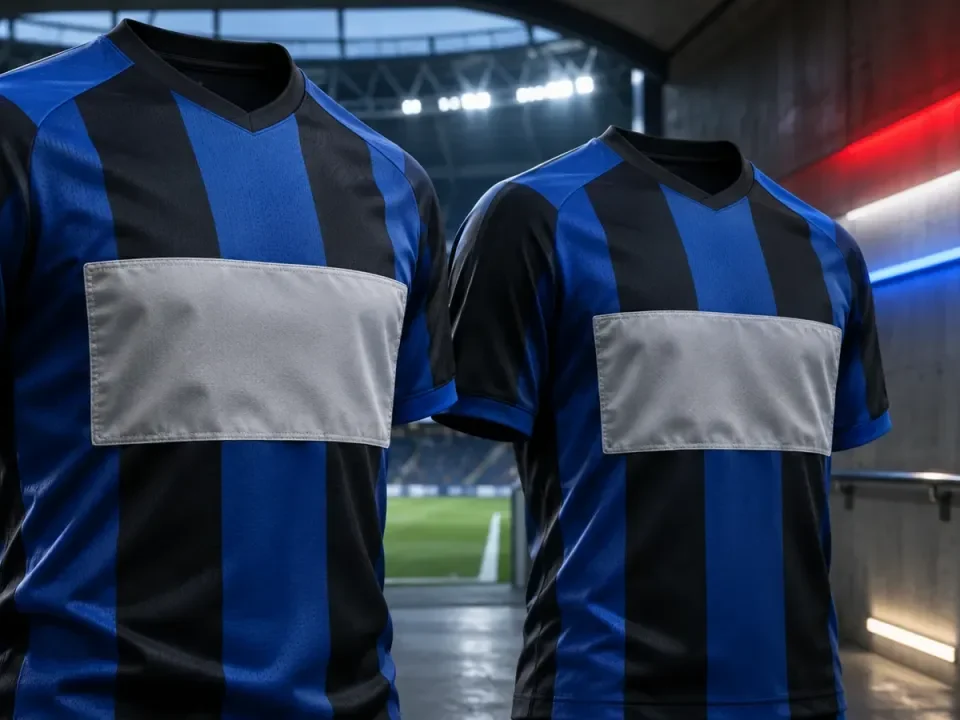
The Netherlands Gambling Authority has stopped Inter Milan and Club Brugge from using Betsson.Foundation branding on their shirts during Champions League matches played in the Netherlands. The regulator, known as Ksa, said the alternative mark remained too close to the name of a gambling operator that lacks a Dutch licence.
Ksa coordinated the intervention with the Royal Dutch Football Association, the KNVB. Both clubs normally carry Betsson branding and proposed using the foundation name for their Dutch fixtures. The clubs described it as a reference to a non-profit organisation with a social purpose, but the regulator did not accept that distinction.
Branding was treated as promotion
In its official statement, Ksa said the proposed wording was insufficiently different from the unlicensed gambling business. It concluded that displaying the name on match shirts would promote an illegal gambling offer in the Dutch market.
The decision described by Ksa was a regulatory intervention before the matches rather than a court judgment. After being contacted, both clubs confirmed that they would not use the proposed mark. Inter Milan ultimately played without a shirt sponsor, while Club Brugge selected different wording.
The case shows how regulators can look beyond the formal identity of a foundation or media brand and consider the connection that spectators are likely to make with a gambling company. A change in suffix or legal entity does not necessarily remove the advertising effect when the dominant name remains recognisable.
Rules reach visiting clubs
Ksa said it had worked with the KNVB before the European season to inform foreign clubs and football associations about Dutch gambling-advertising rules. Its position is that the restrictions apply to overseas teams when they play in the Netherlands, not only to clubs based in the country.
That creates an operational issue for teams with international betting sponsors. A shirt approved for a domestic league or another European market may still require a replacement version for a Dutch fixture. Clubs must assess both the sponsor's local licensing status and whether an alternative mark remains recognisably connected to the same gambling business.
G3 Newswire also reported the intervention and the resulting shirt changes. Neither reviewed source describes a monetary penalty. The immediate outcome was removal of the disputed branding before the teams took the field.