Bulgarian lawmakers have advanced three bills that would tighten the country's gambling advertising restrictions, increase operator fees and reshape rules for affiliates and foreign online companies. All three texts passed their first parliamentary vote, but none is final law.
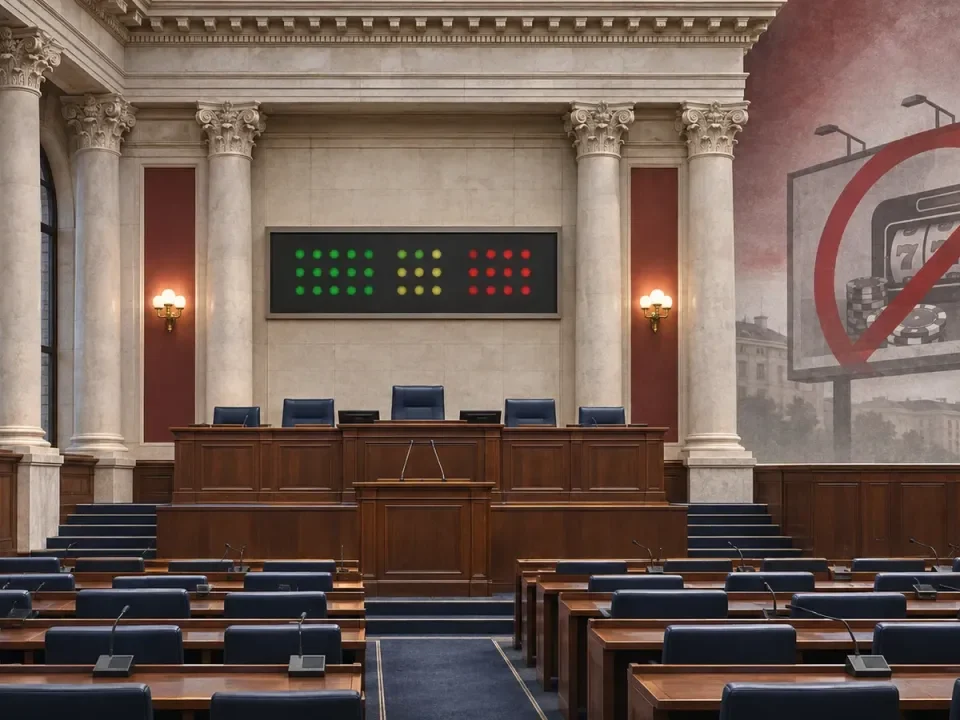
iGaming Business reported that the votes took place on November 18. The government bill received 193 votes, while proposals from Democratic Bulgaria and We Continue the Change received 187 and 183. No opposing votes were reported for the three first-reading decisions.
Bulgarian procedure now requires lawmakers to combine bills dealing with the same subject. The first discussions on a consolidated text are scheduled for November 23, followed by a second reading. Provisions can therefore change before adoption, and operators should not treat the first-reading drafts as rules already in force.
The government text would prohibit advertising of gambling products, operators, brands and logos across most formats. Proposed exceptions cover limited information on operators' own sites, apps and licensed premises, as well as specified sports sponsorship and support for culture, education and health. The bills also seek to close billboard and online-marketing gaps left by Bulgaria's 2024 restrictions.
The European Commission's TRIS notification confirms the draft's scope. It describes a complete advertising and promotion ban, the proposed end of affiliate activity, higher gambling fees, increased penalties and a requirement for foreign online operators to maintain a permanent establishment in Bulgaria.
Under the government proposal, an online betting licence would carry an upfront fee of €400,000. The variable fee would rise to 21% of gross gaming revenue in 2027 and 22% in 2028, with a monthly minimum of €100,000. These figures remain proposals until the final text passes and enters into force.
Foreign online operators would need a registered place of business in Bulgaria through which revenue and expenses are reported. Casinos and gaming halls would also have to connect systems to the National Revenue Agency for remote monitoring. The package includes separate changes to land-based fees and a transition toward a gross-revenue model.
Affiliates face particular uncertainty. Bulgaria only introduced affiliate-specific licences in August, yet the draft would end that regime and revoke licences because promotion would conflict with the broader advertising ban. The Ministry of Finance has indicated that it may consider an exception, but no carve-out is guaranteed in the consolidated bill.
The first-reading votes are a meaningful legislative step because they establish broad parliamentary support for tighter controls. They do not settle the exact advertising exceptions, fee levels or affiliate treatment. The next reliable milestone will be the consolidated wording and second-reading vote, not predictions from individual sponsors or industry participants.