Digital trading-card packs have grown into an estimated $2 billion annualized market, giving betting and prediction-market companies another product to test beyond conventional sportsbooks.
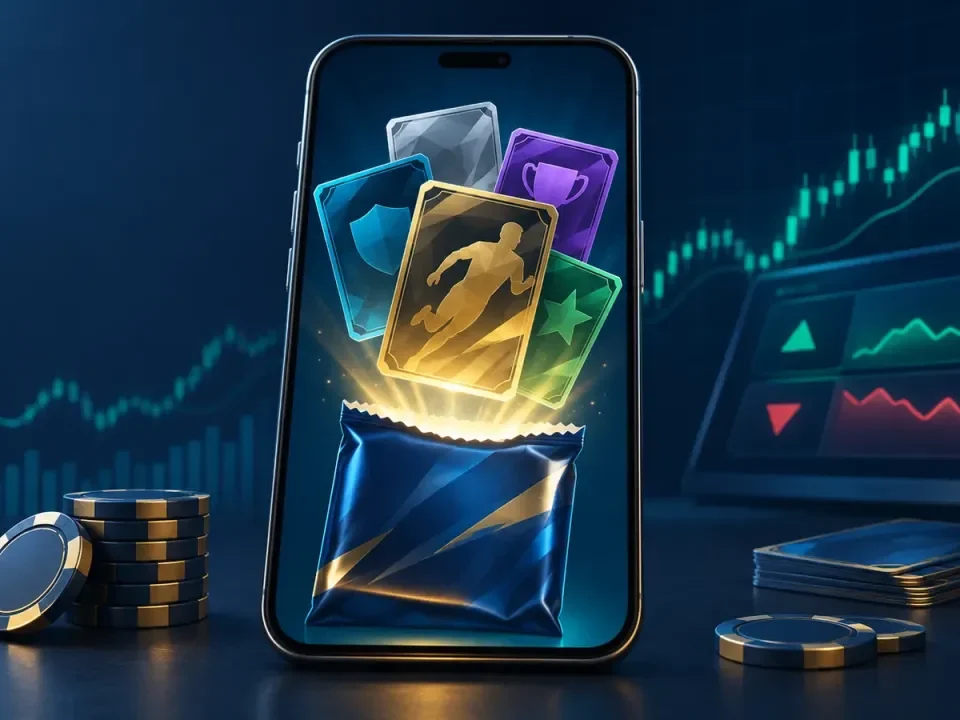
Customers open packs on a screen and receive a card backed by physical inventory. They can keep it in storage, request delivery or sell it back for immediate liquidity. iGaming Business reported that Bank of America estimates weekly active users have climbed from about 50,000 a year ago to more than 1.7 million, while annualized gross merchandise value is close to $13 billion.
The bank's analysis places the product between collecting and chance-based entertainment. Rare cards provide the upside, while operators retain a margin between pack prices and the expected value of the contents. The report estimates an initial take rate of roughly 5% to 10%, with additional revenue possible when platforms buy cards back below market value.
Several companies already connect the format with gaming audiences. FanDuel has partnered with Arena Club, while Underdog and PrizePicks offer their own versions. Casino.org noted that Fanatics has a direct position through its ownership of Topps, and that Crypto.com has also entered the category.
The opportunity comes with physical and regulatory exposure. Every pack depends on collectible inventory whose value can move sharply, and the classification of randomized packs remains contested. SBC Americas reported that the category does not currently have a dedicated gaming regulator, leaving operators to set age, identity and spending controls while legal questions continue.
Bank of America says physical backing supports the argument that customers are buying collectibles rather than placing wagers. It nevertheless expects greater scrutiny as adoption grows, especially because trading cards are popular with younger consumers. For gaming companies, growth will therefore depend on inventory discipline, transparent pricing and credible consumer protections as much as on customer demand.